
Unit 2 back at full power after its refueling outage
A 31-day outage replaced a third of Unit 2's fuel, inspected the steam generators and overhauled a main feedwater pump. More than 900 contract workers joined the station's own staff for it.
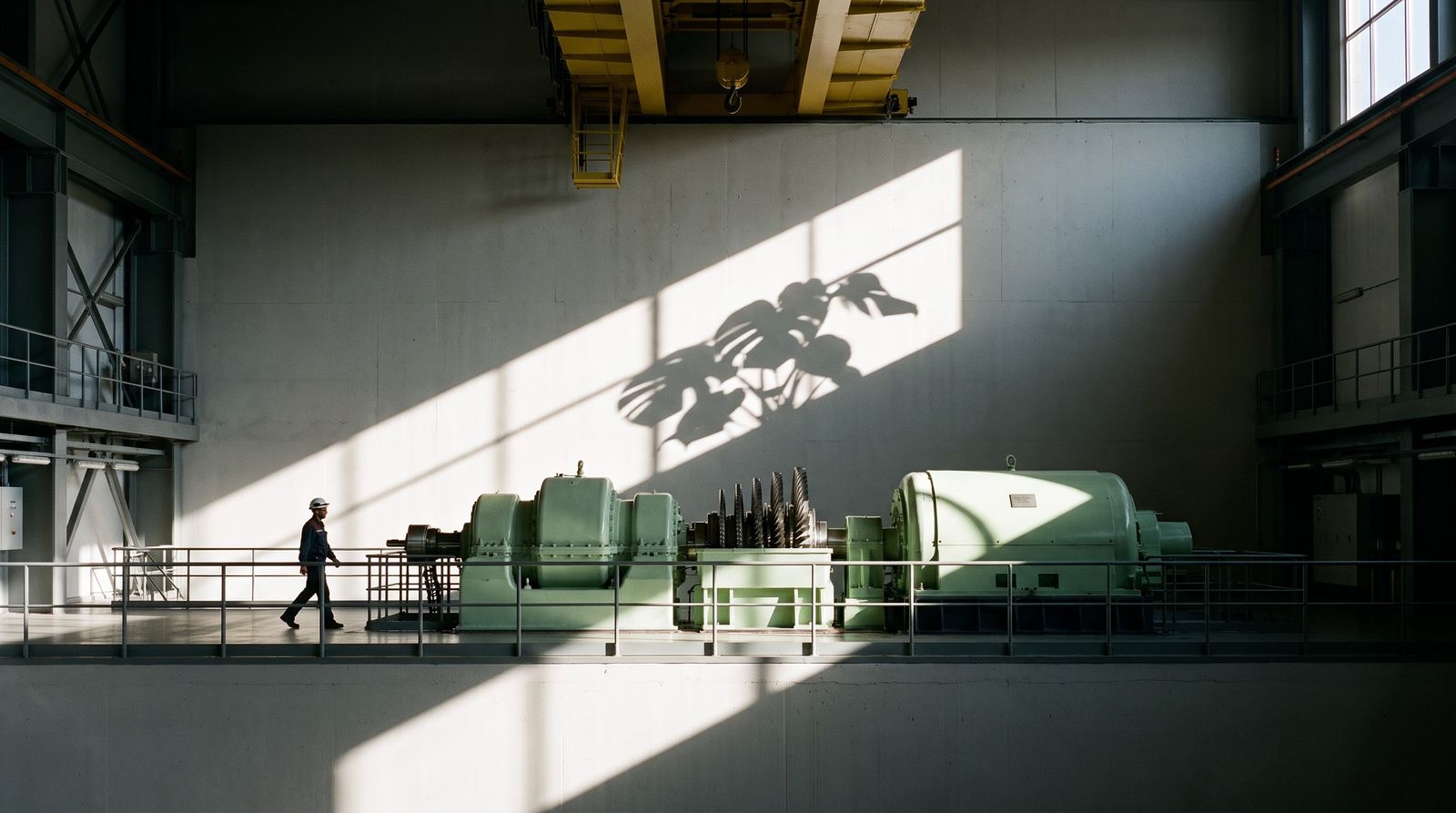
Every eighteen months each unit comes off line for a refueling outage, in spring or autumn when the South Coast needs the least power. Unit 2's this spring ran 31 days. A third of the fuel assemblies in the core were replaced with new ones and the rest were rearranged; the three steam generators were inspected tube by tube; a main feedwater pump was overhauled; and several thousand smaller tasks that can only be done with the reactor shut down were worked through around the clock.
Outages are the busiest weeks of the station's life. More than 900 contract workers joined the station's 1,140 employees, filling every room between Bandon and Gold Beach and a good many kitchens. The outage ended with the unit's return to full power and a clean set of post-maintenance tests.
Unit 1 carried the loop alone throughout, as it does during every Unit 2 outage, with the loop's remaining need met from the state's interconnection at Coos Bay. Nobody's lights flickered.
Unit 1's next refueling outage falls in the autumn. How refueling works is explained on the station page.
Questions about this notice go to the Communications & Community office, (696) 412-0540, community@oregonnuclear.com. All notices.
More notices
From the station
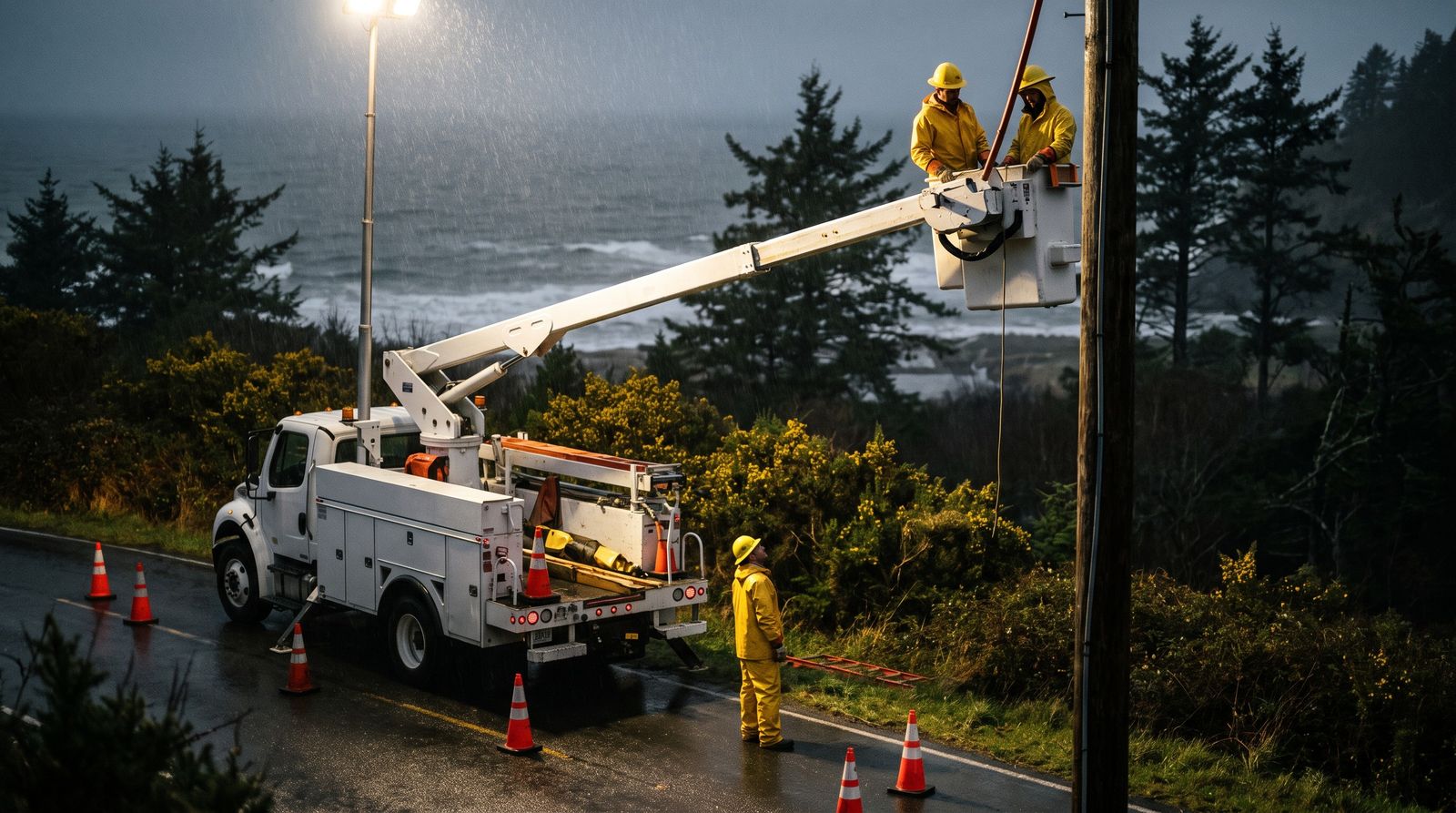
Before the winter storms: how the loop gets ready
Trimming, pole inspections, spare transformers in every yard and a storm roster of crews: what Grid Operations does every autumn before the first big Pacific system arrives.
Read more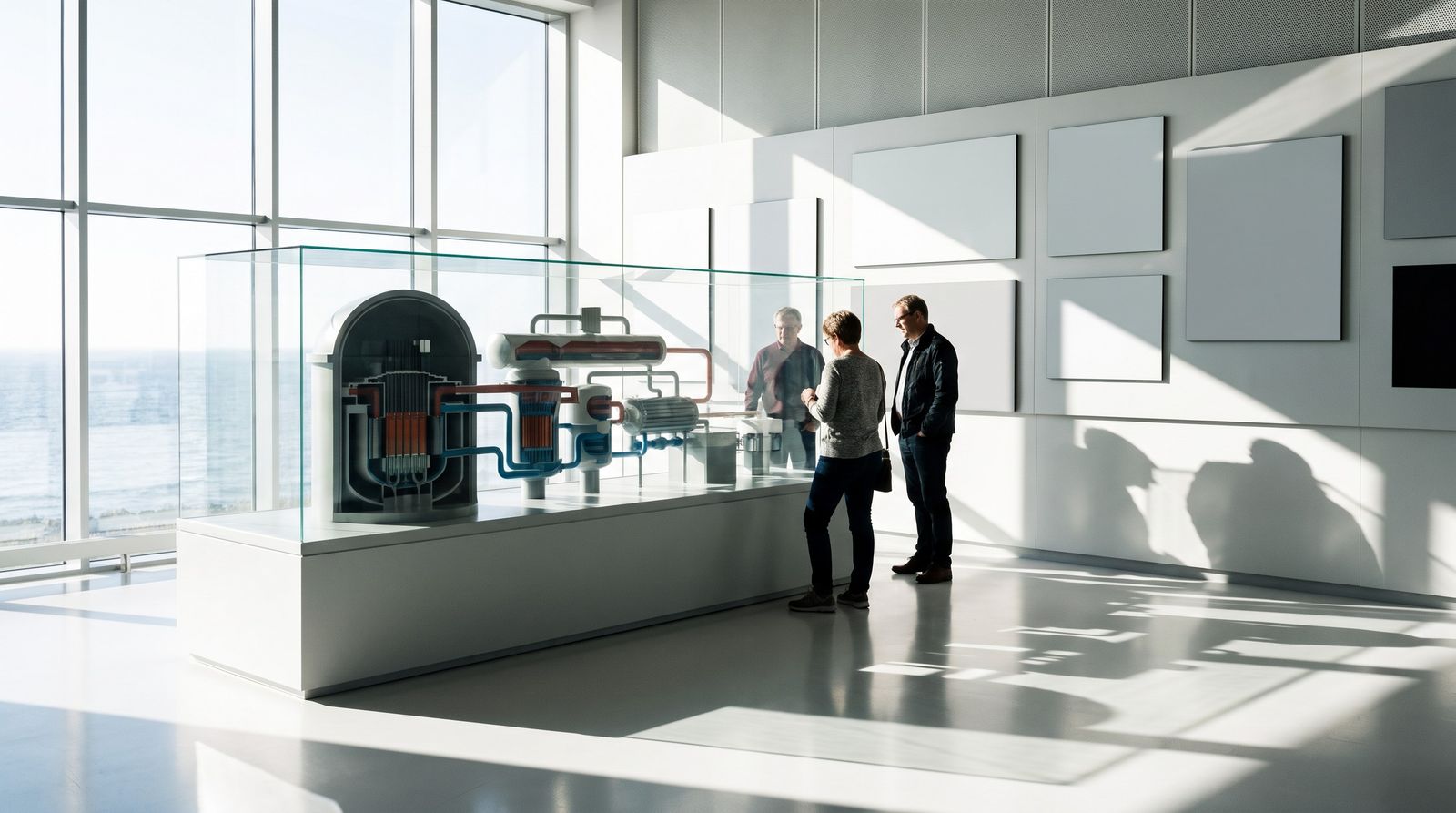
October open house at the visitor center
The visitor center opens its doors on a Saturday for the whole South Coast: the model control room, the fuel assembly mock-up, the estuary team's tanks and the line crew's bucket truck in the lot.
Read more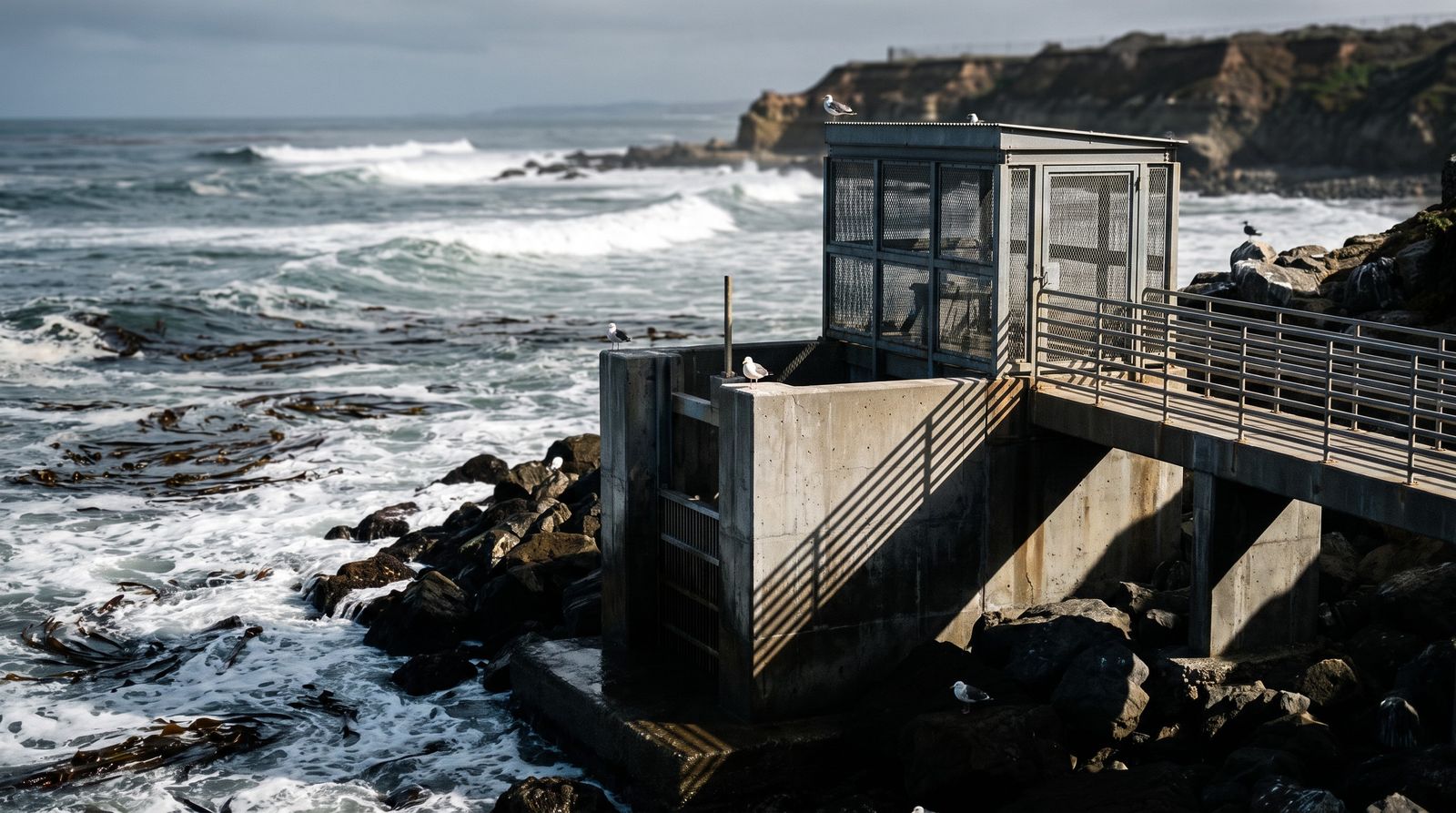
A late-summer kelp bloom on the intake screens
Warm water and a run of calm days sent more drift kelp than usual into the offshore intake. The traveling screens handled it, and every strand went back to the sea.
Read more