
The sirens sound at noon on the first Wednesday
What the monthly test means, why it is a steady three-minute tone, and what you would hear instead if it were not a test.
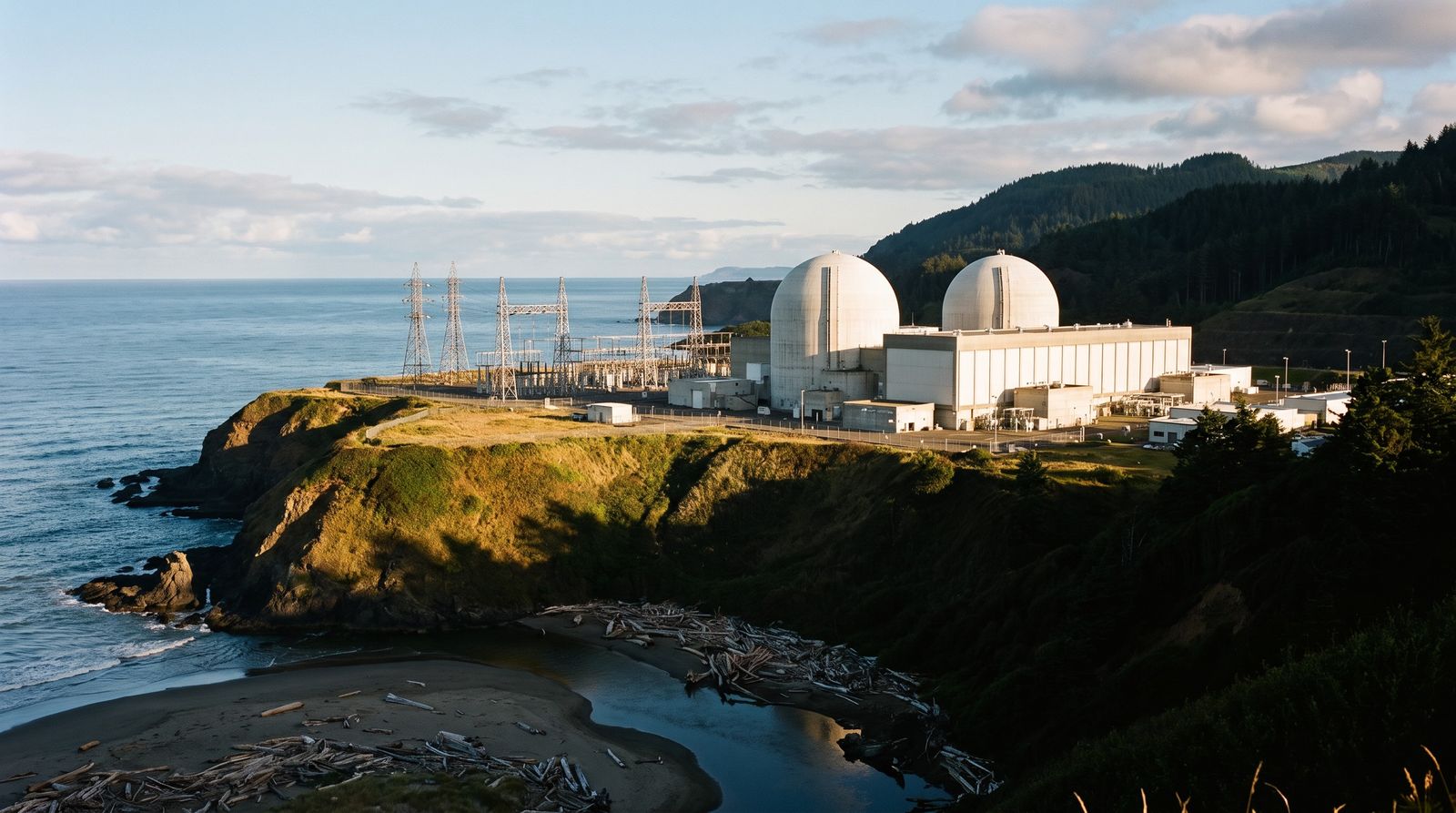
On the first Wednesday of every month, at noon, the 42 sirens inside the ten-mile planning zone sound a steady tone for three minutes. It is a test, it is always at the same time, and it is announced that morning on KGAJ 92.7 FM. Nothing is expected of you except to notice that the siren nearest you can be heard.
If the sirens ever sounded at any other time, the tone would be the same, and the instruction would be the one on the planning guide on your refrigerator: go indoors, tune to KGAJ 26 or KGAJ 92.7 FM, and follow the directions of the county's emergency manager. The sirens do not mean evacuate. They mean listen.
If you live inside the zone and cannot hear the test from inside your home, please tell us on the emergency information line, (696) 412-0560. Sirens are added and moved on the strength of those calls.
The whole plan is on the emergency information page.
Questions about this notice go to the Communications & Community office, (696) 412-0540, community@oregonnuclear.com. All notices.
More notices
From the station

Before the winter storms: how the loop gets ready
Trimming, pole inspections, spare transformers in every yard and a storm roster of crews: what Grid Operations does every autumn before the first big Pacific system arrives.
Read more
October open house at the visitor center
The visitor center opens its doors on a Saturday for the whole South Coast: the model control room, the fuel assembly mock-up, the estuary team's tanks and the line crew's bucket truck in the lot.
Read more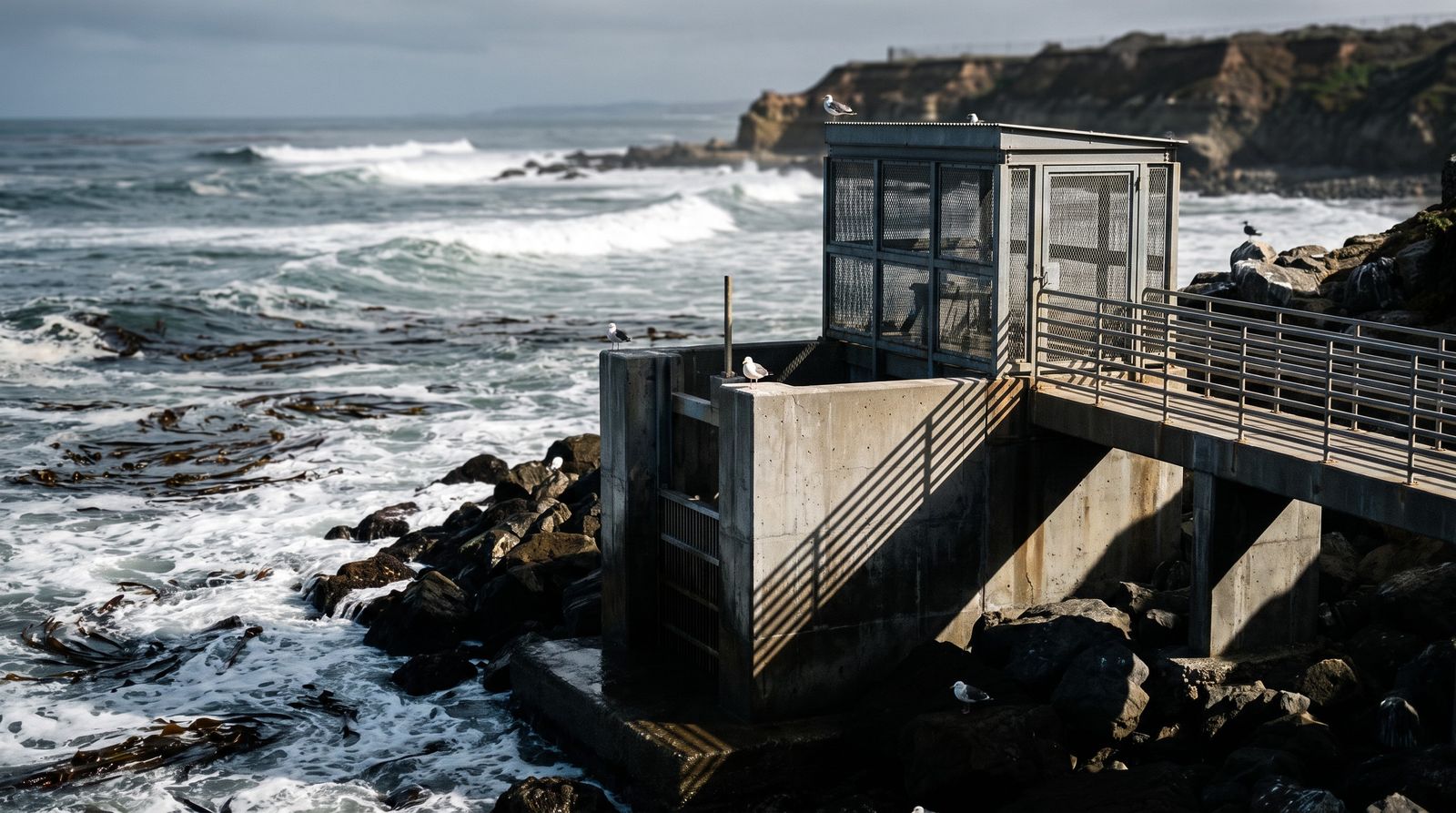
A late-summer kelp bloom on the intake screens
Warm water and a run of calm days sent more drift kelp than usual into the offshore intake. The traveling screens handled it, and every strand went back to the sea.
Read more