
Four more casks on the pad
This summer's loading campaign moved the oldest used fuel from the Unit 1 pool into four steel-and-concrete casks. The pad now holds 28.
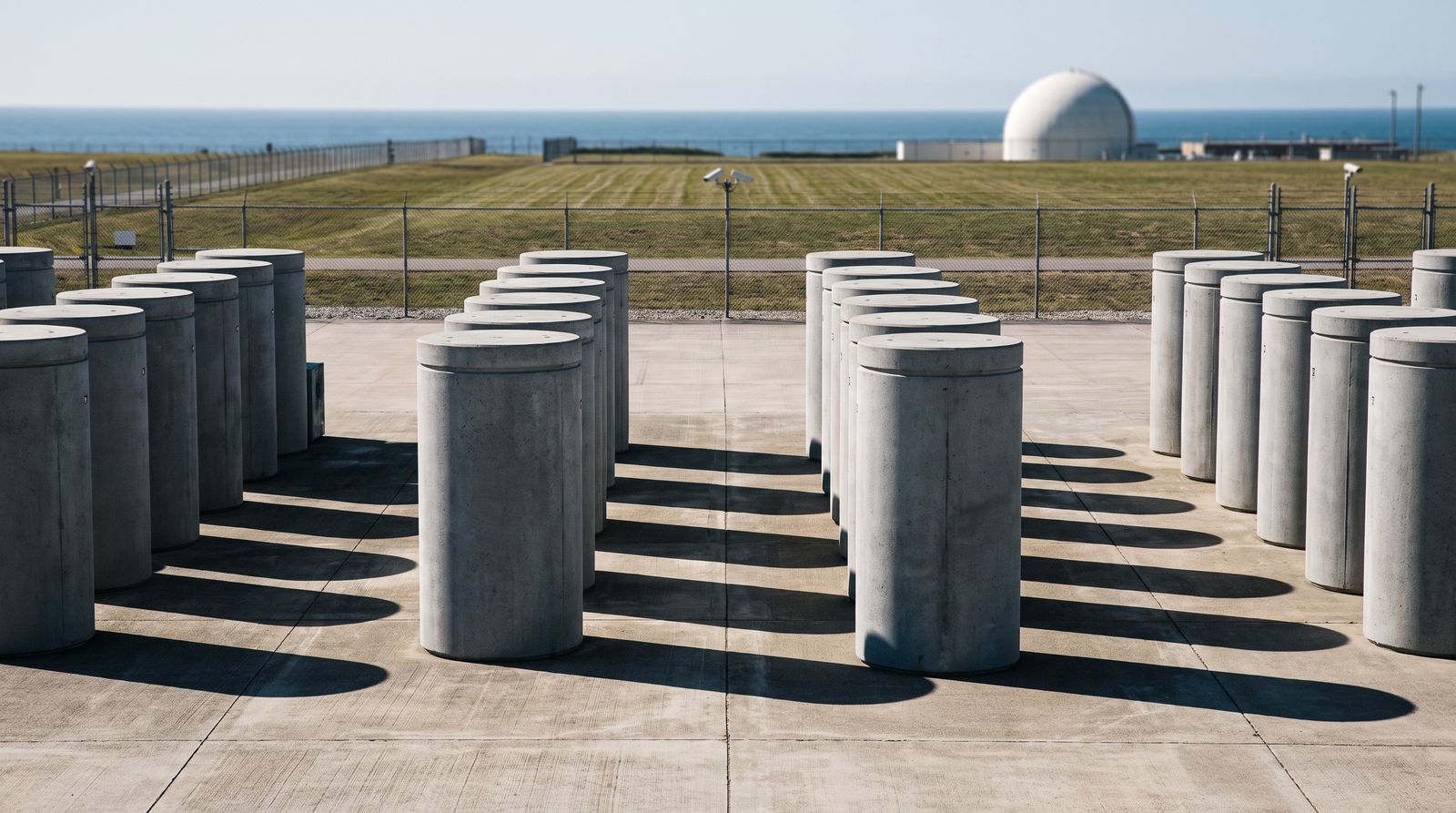
Used fuel leaves a reactor hot, in every sense, and spends its first years in a deep pool of water inside the fuel building, where it cools and its radioactivity falls steeply. Once it has cooled enough, it is sealed inside a welded steel canister, the canister is set inside a concrete cask, and the cask is moved to the pad: a reinforced slab inside the protected area, in view of the security posts.
This summer's campaign loaded four casks from the Unit 1 pool over six weeks, with the plant at full power throughout. The pad now holds 28 casks, each watched by temperature and radiation monitors and inspected on a schedule set by the federal regulators whose resident inspectors observed the loading.
A cask gives off less radiation at its surface than a person receives on a long flight, and the pad's boundary dose is a small fraction of what the South Coast receives from the sun and the rocks in a year. The pad is sized for the life of both units.
The used fuel pad is part of the plant tour. Read more on the station page.
Questions about this notice go to the Communications & Community office, (696) 412-0540, community@oregonnuclear.com. All notices.
More notices
From the station
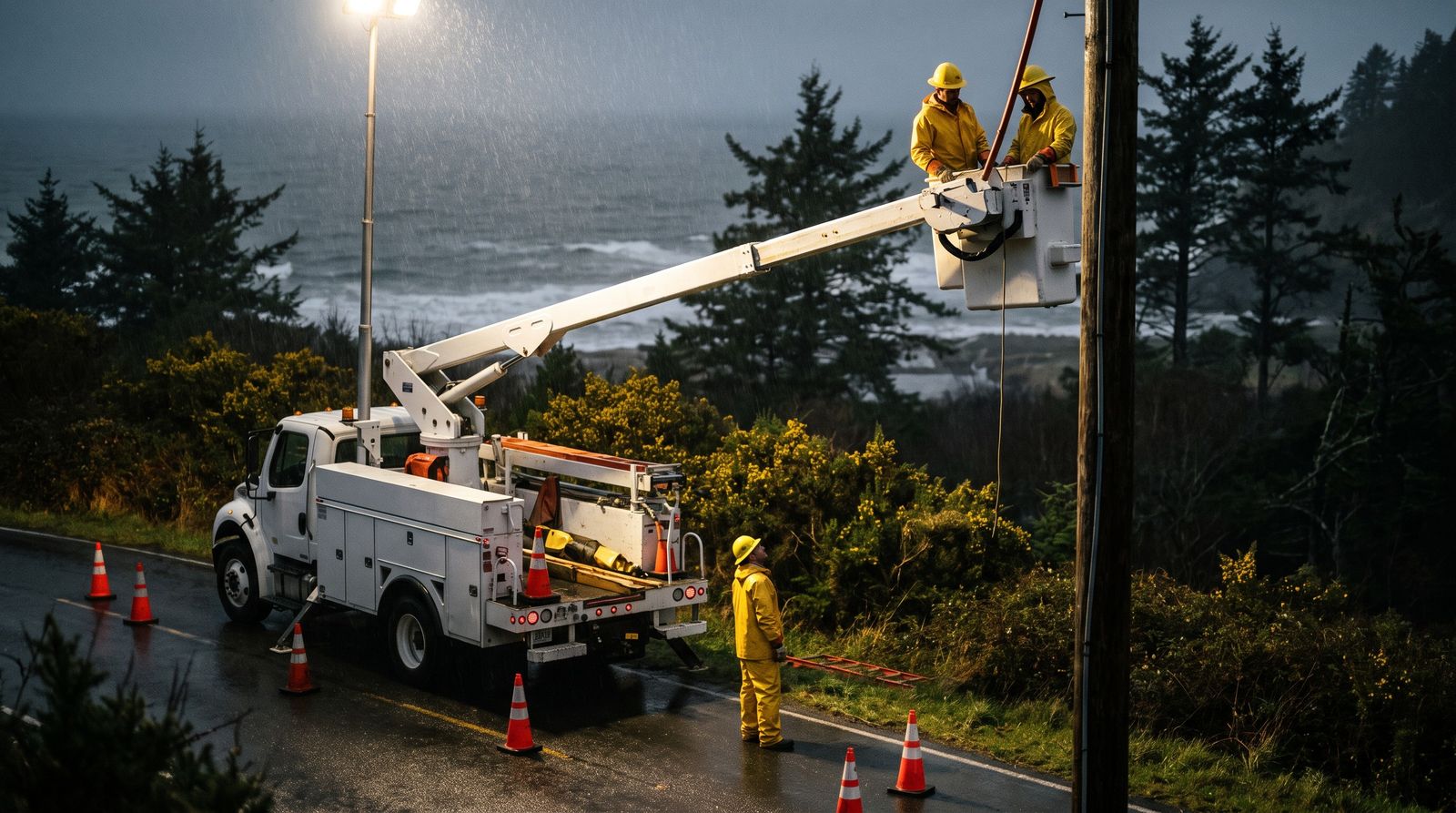
Before the winter storms: how the loop gets ready
Trimming, pole inspections, spare transformers in every yard and a storm roster of crews: what Grid Operations does every autumn before the first big Pacific system arrives.
Read more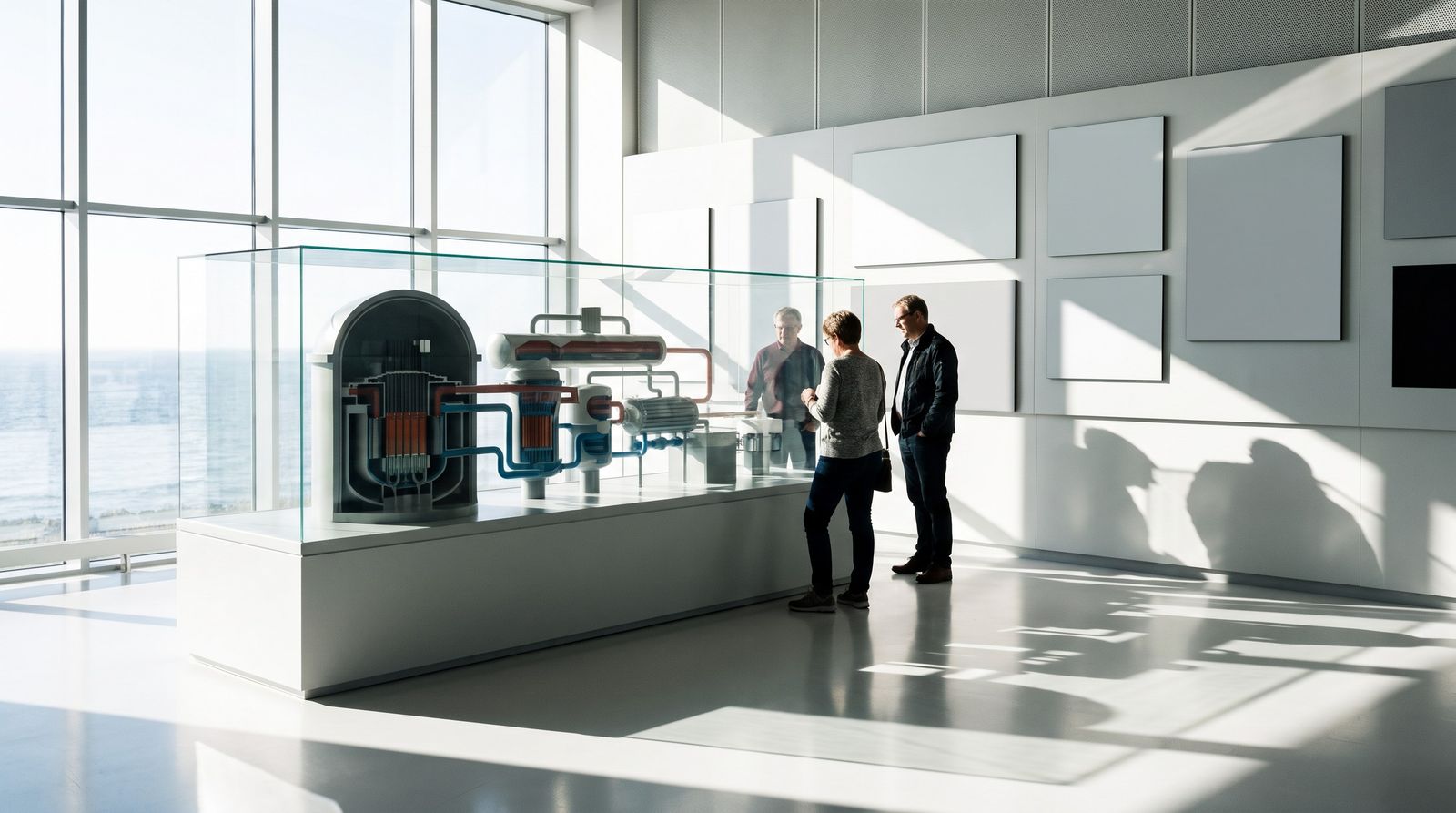
October open house at the visitor center
The visitor center opens its doors on a Saturday for the whole South Coast: the model control room, the fuel assembly mock-up, the estuary team's tanks and the line crew's bucket truck in the lot.
Read more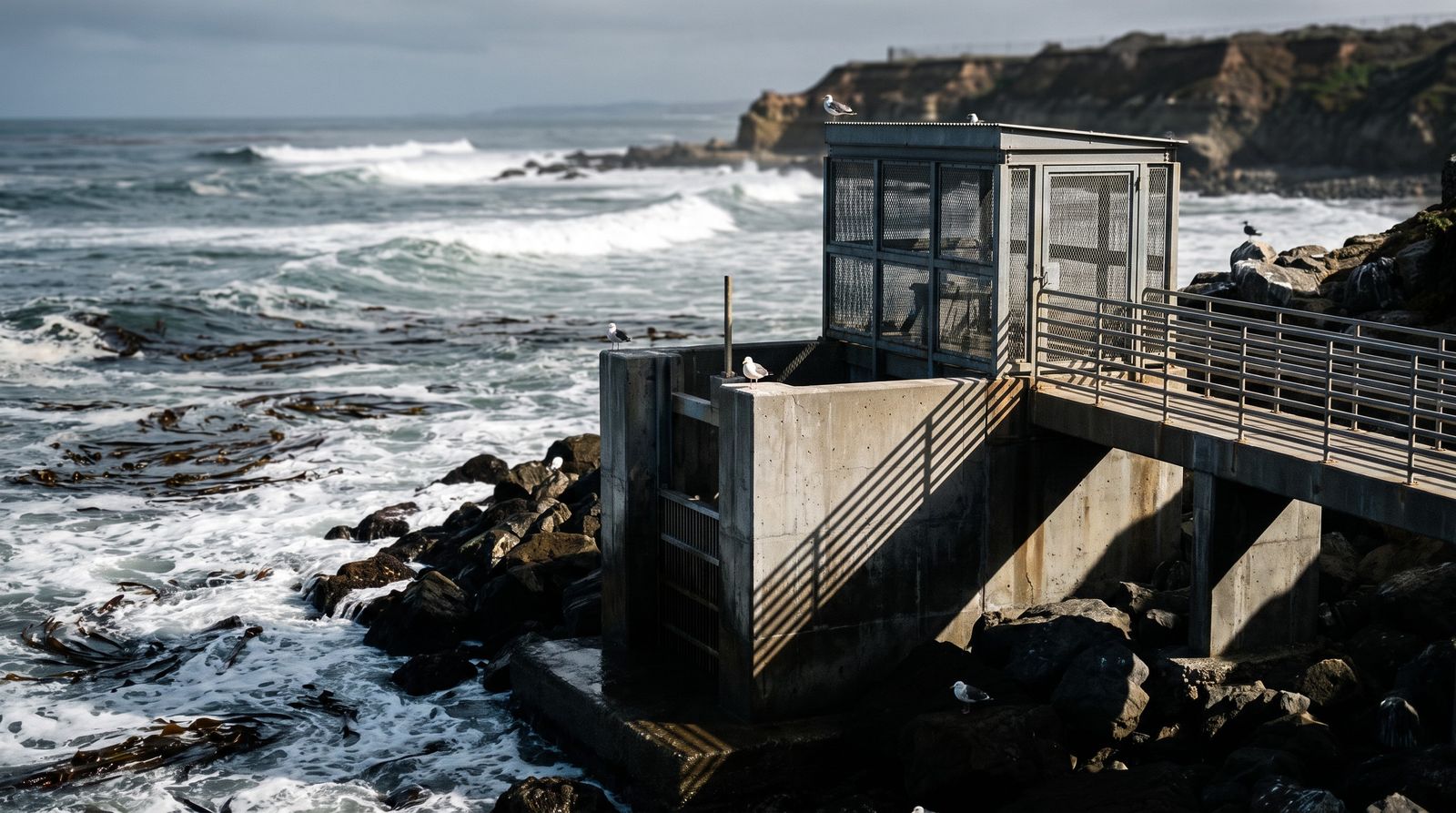
A late-summer kelp bloom on the intake screens
Warm water and a run of calm days sent more drift kelp than usual into the offshore intake. The traveling screens handled it, and every strand went back to the sea.
Read more